
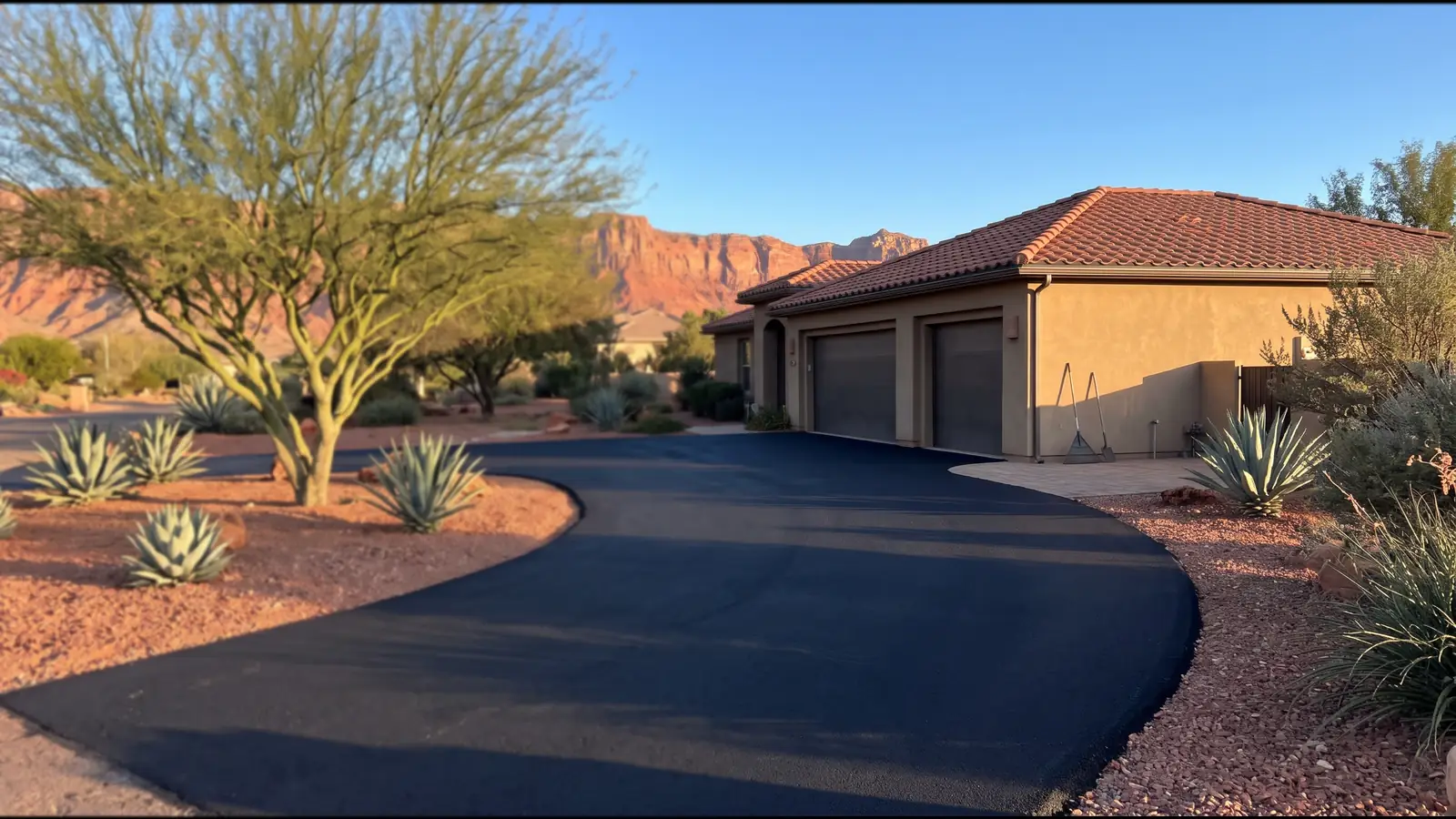
HOA Road Maintenance Treatments and Paving Jobs
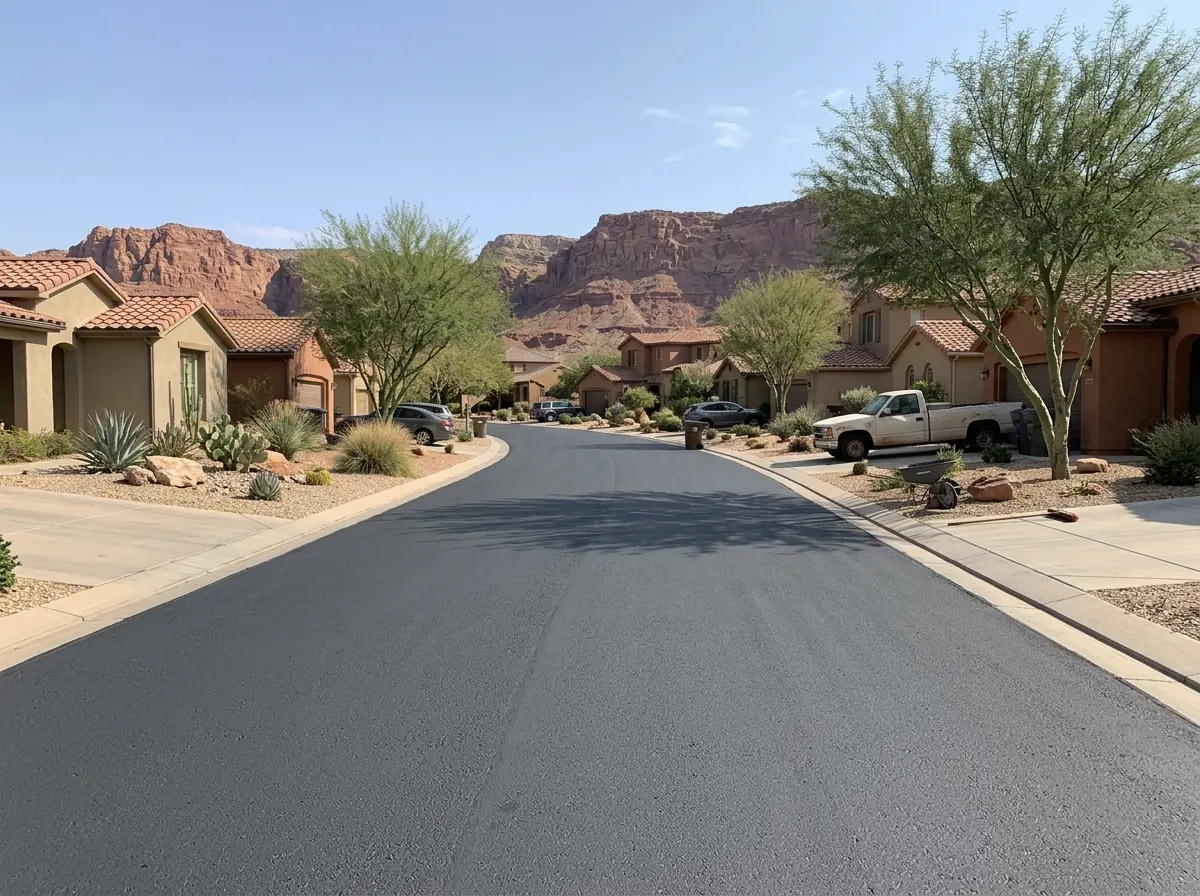
Slurry seal and fog seal on community streets
Both are thin surface treatments laid between overlays, but they do different jobs.
- Slurry seal. A single layer of paving mix made from asphalt emulsion, small crushed rock and water. FHWA says sealing good streets with this kind of asphalt-and-aggregate layer can add 3 to 7 years of useful life. National estimates run about $0.66 to $1.08 per square foot.
- Fog seal. A light spray of slow-setting asphalt emulsion diluted with water. Caltrans gives it a typical life of 1 to 2 years and uses it to stop raveling and add binder back to aged surfaces. FHWA groups crack and fog seals together at 1 to 4 extra years.
- Traffic. Neither coat takes traffic right away. Caltrans keeps fog-sealed lanes closed until surface friction is back, so plan notices, parking and trash day around the work.
Seal the cracks first; crack sealing covers that and the freeze nights behind it.
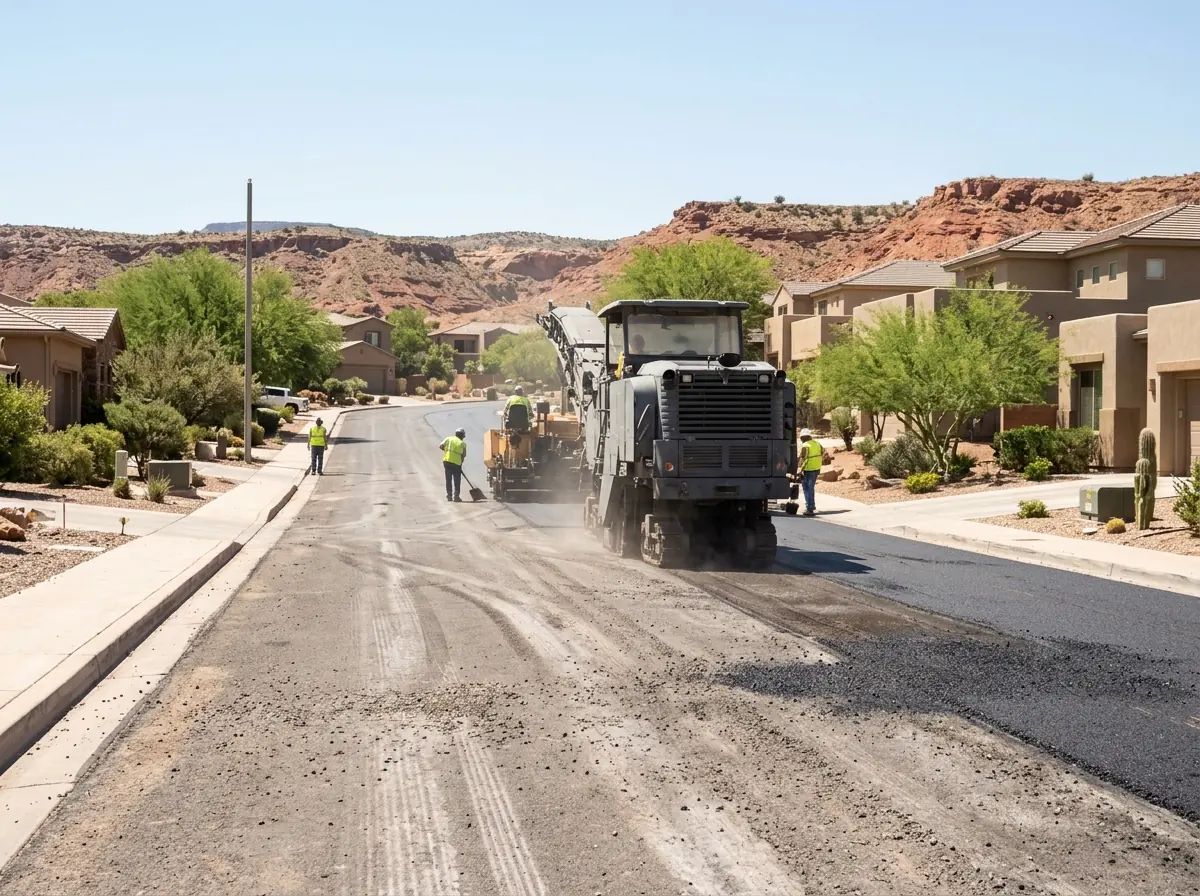
Street mill-and-overlay
Once a street is past sealing, with wide cracking or rutting, the next step is grinding off the top and paving a new layer. FHWA describes thin overlays as a dense plant mix laid less than 2 inches thick after cold milling, and says they extend fair-to-poor pavement by 5 to 12 years. Asphalt milling explains the grinding step and edge work at the gutters.
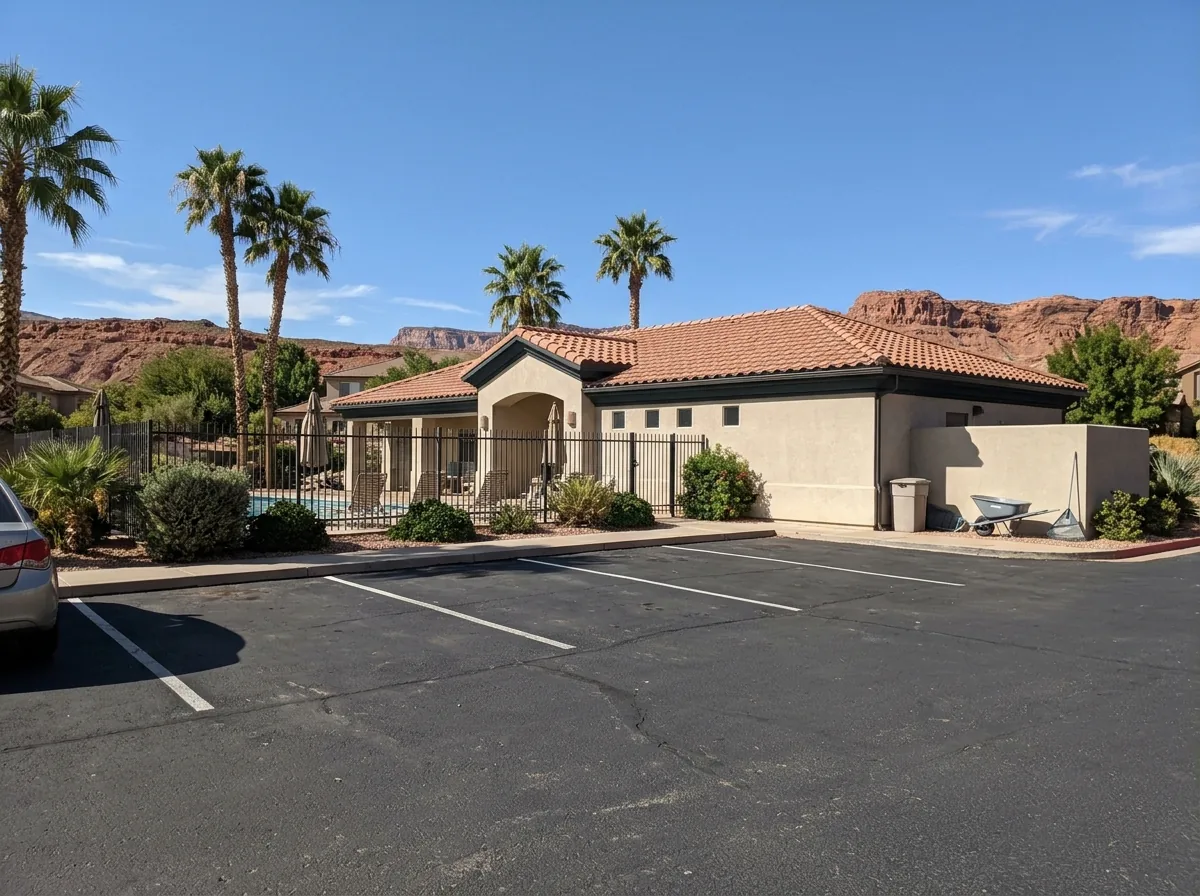
Clubhouse, pool and guest lots
Common-area lots can be sealed on the same visit as the streets, which saves a second round of notices and closures. Lot sealing cost and cadence live on parking lot sealcoating, and accessible stall counts on parking lot striping.
Walking paths and golf cart paths
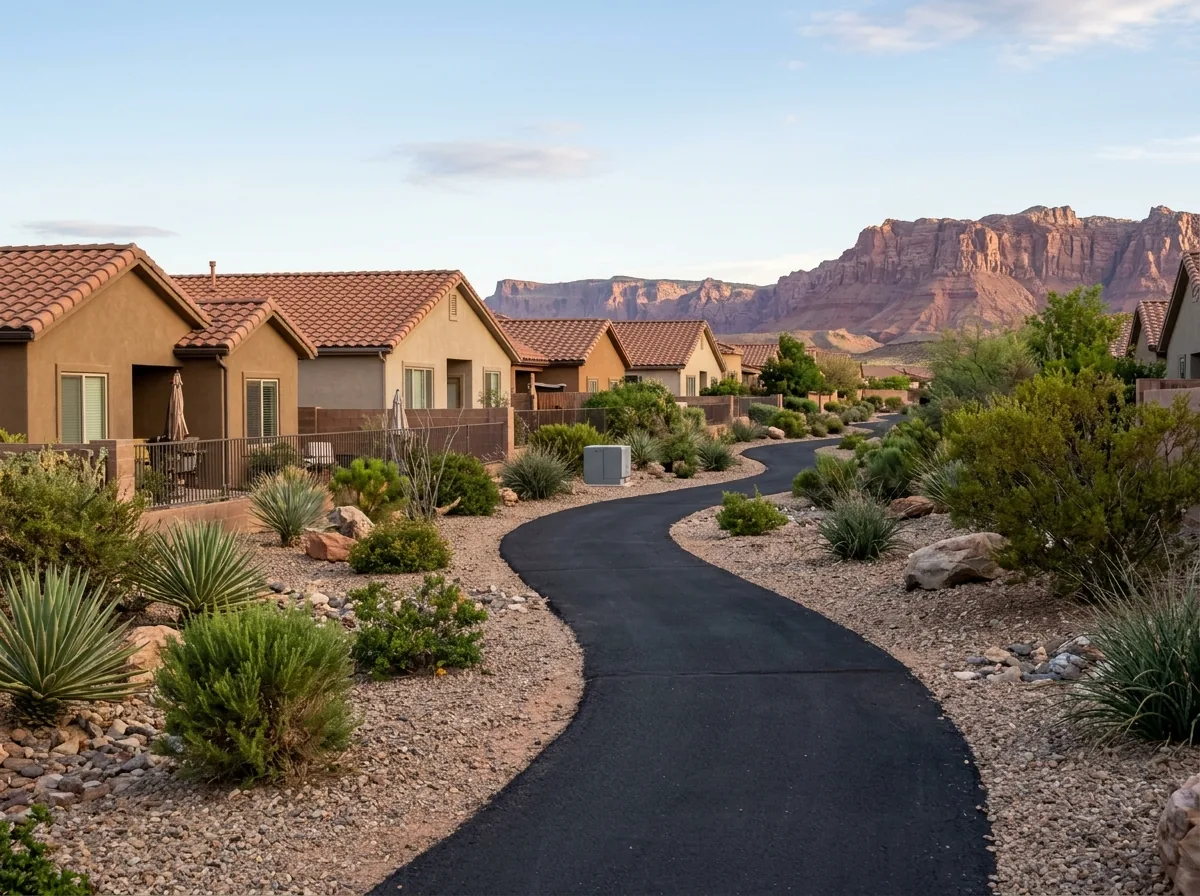
Paths carry carts and people, not trucks, so the questions are about edges and joints. Ask whether the bid covers rebuilding broken edges, cutting out and patching bad sections, and sealing the paths on the same schedule as the streets. Where a cart path crosses a street, ask for a flush joint with no lip.
Why St. George homeowners and property managers call St. George Asphalt Co.
- The estimate costs you nothing and commits you to nothing
- Ask for thickness, base depth and tear-out on the written bid
- Your job goes to one paving contractor, never a lead auction
- Property owners pay nothing for the introduction
HOA Reserve Study Rules for Pavement in Utah
Street work is paid for out of reserves, and Utah's Community Association Act (Utah Code 57-8a-211) sets the rules for the study behind them. Unless the governing documents say otherwise, the board must:
Run a reserve analysis
at least every 6 years, and review it (updating if needed) at least every 3.List each component
with a useful life of 3 years or more and a remaining life under 30 years, which takes in streets, lots and paths, with its remaining life and repair or replacement cost.Show owners
a summary of the latest analysis every year, and the full report to any owner who asks.Budget a reserve line item
each year based on the analysis.
A paving bid that breaks the work into crack sealing, slurry seal and overlay by street and year drops straight into that analysis. Ask the contractor to price it that way.
HOA Street Paving Project, Step by Step
- STEP01
Walk and map
The contractor walks every street, lot and path and marks cracks, potholes and failed areas on a map.
- STEP02
Bid by treatment and phase
Repairs, crack seal, slurry or fog seal, and overlays priced separately, so the board can phase the work across budget years.
- STEP03
Notice to residents
Residents get dates, street closures and where to park. Sealed streets stay closed until the coat has set.
- STEP04
Repairs, then seal, then striping
Patches and crack sealing go down first, the surface treatment next, then crosswalks, stop bars and speed humps are marked again.
See private road paving for fire access width and turnaround rules on community roads.