
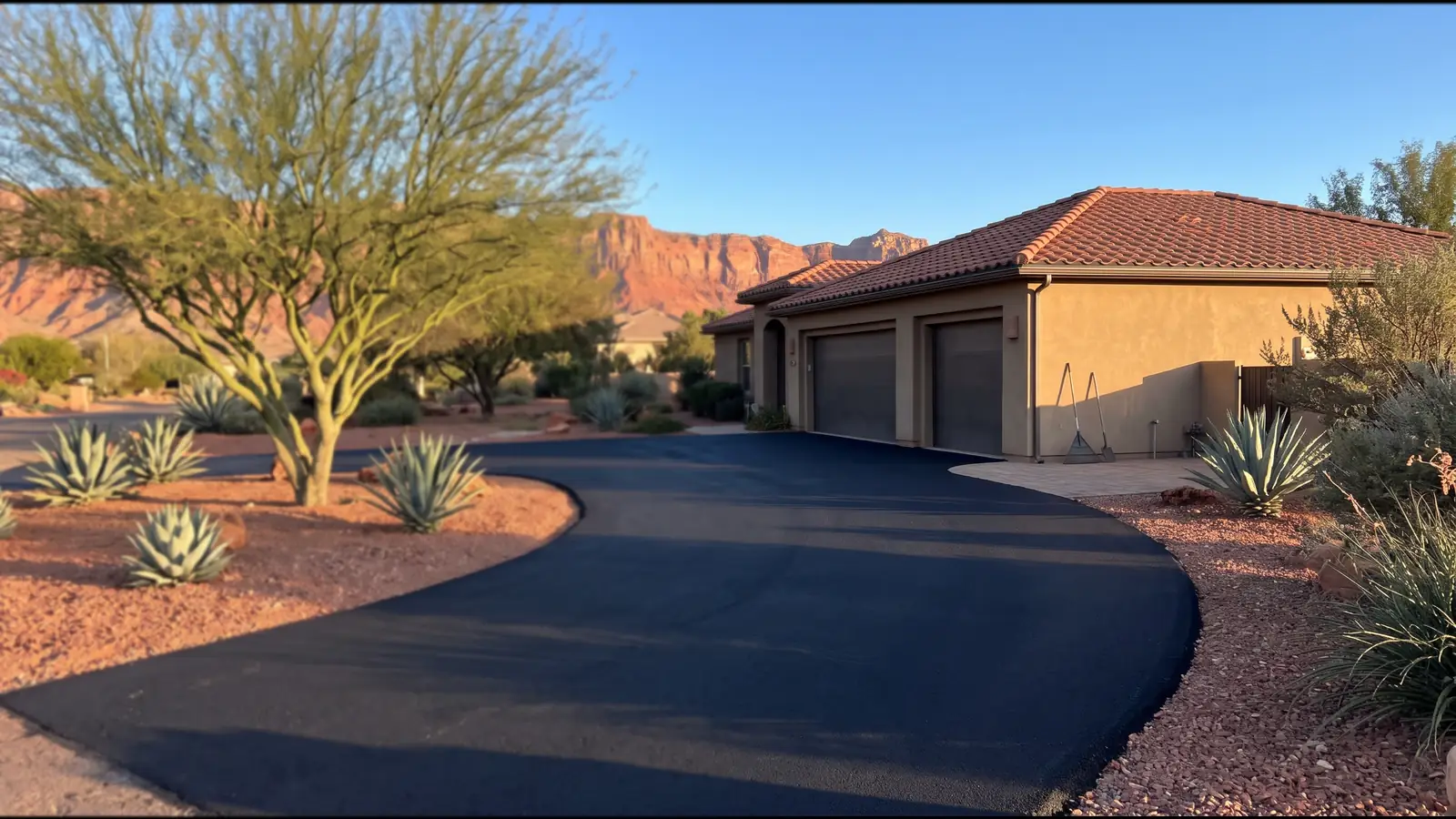
Driveway Extension Types for Existing Homes
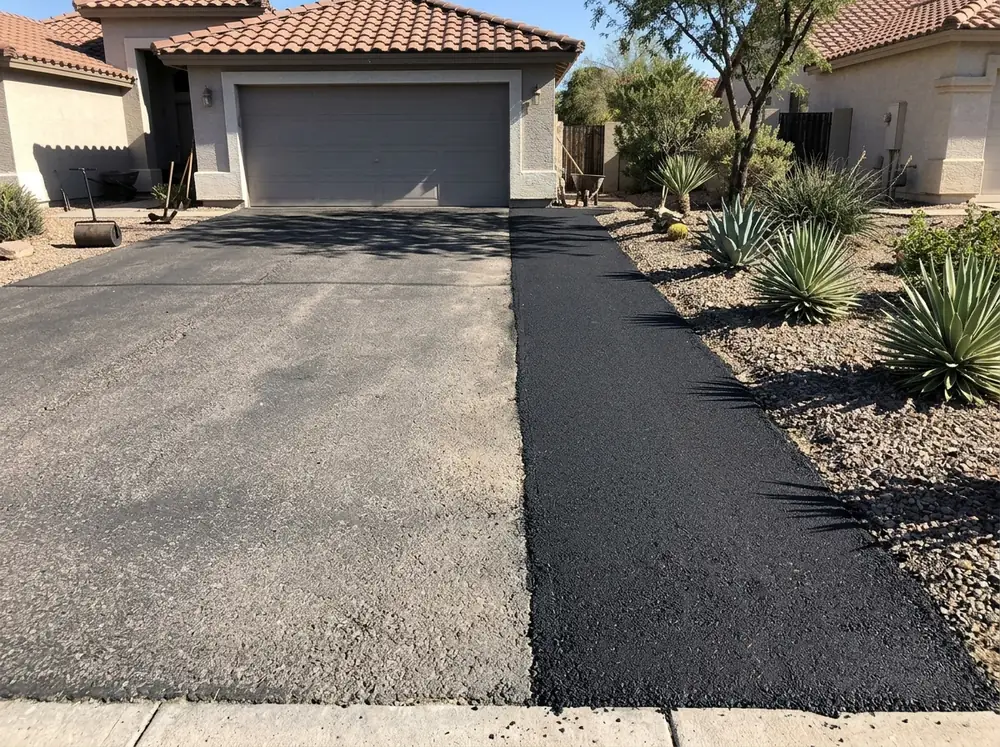
Side widening for an extra car
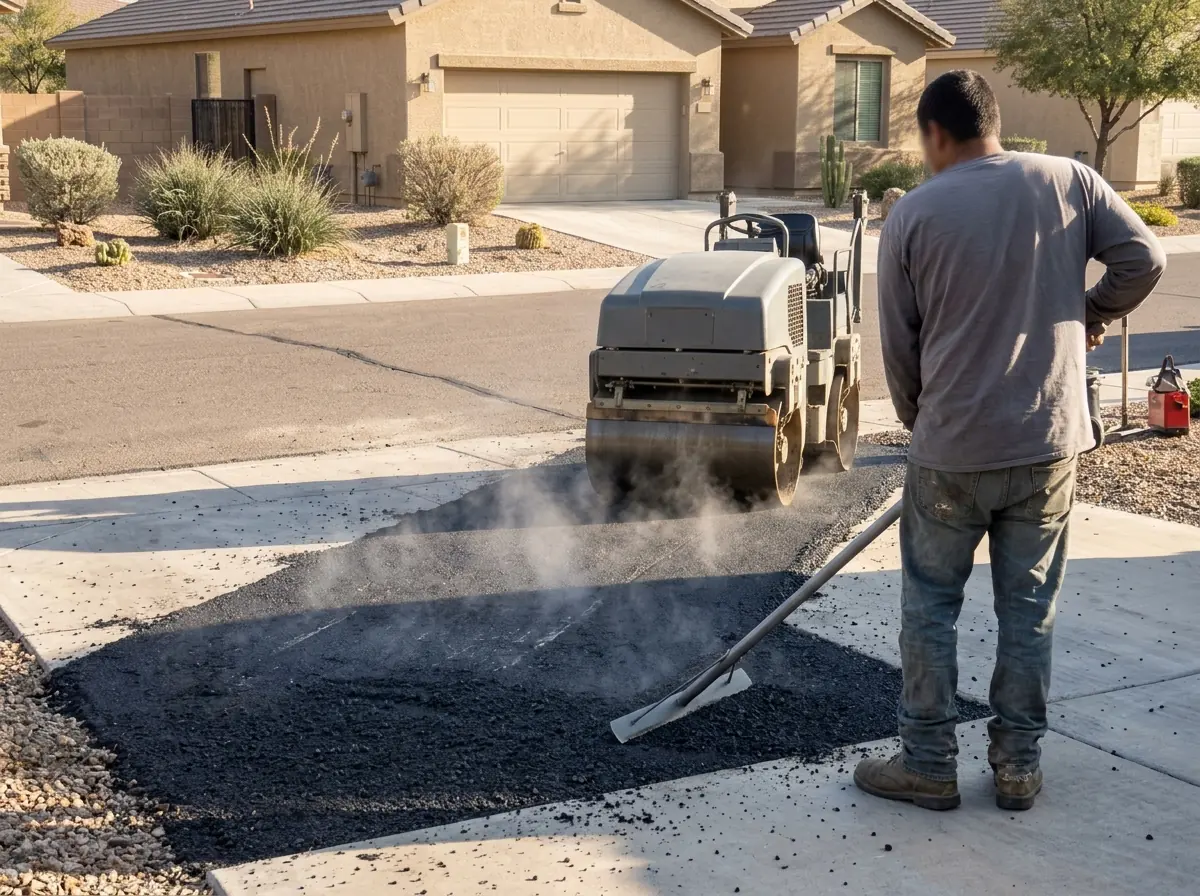
The most common extension adds a lane beside the existing drive so a third car or a work truck has somewhere to go. The new strip is dug out, based and compacted to the same depth as the old drive, then paved up against it. The seam is the weak point. Ask how the contractor will cut back the old edge to solid asphalt and seal the joint, and whether the new strip will slope the same way as the old one so water doesn't collect along the line.
- Example: a 10-foot strip along a 40-foot drive is 400 sq ft; at the national $3 to $12 per sq ft, that works out to $1,200 to $4,800 across materials.
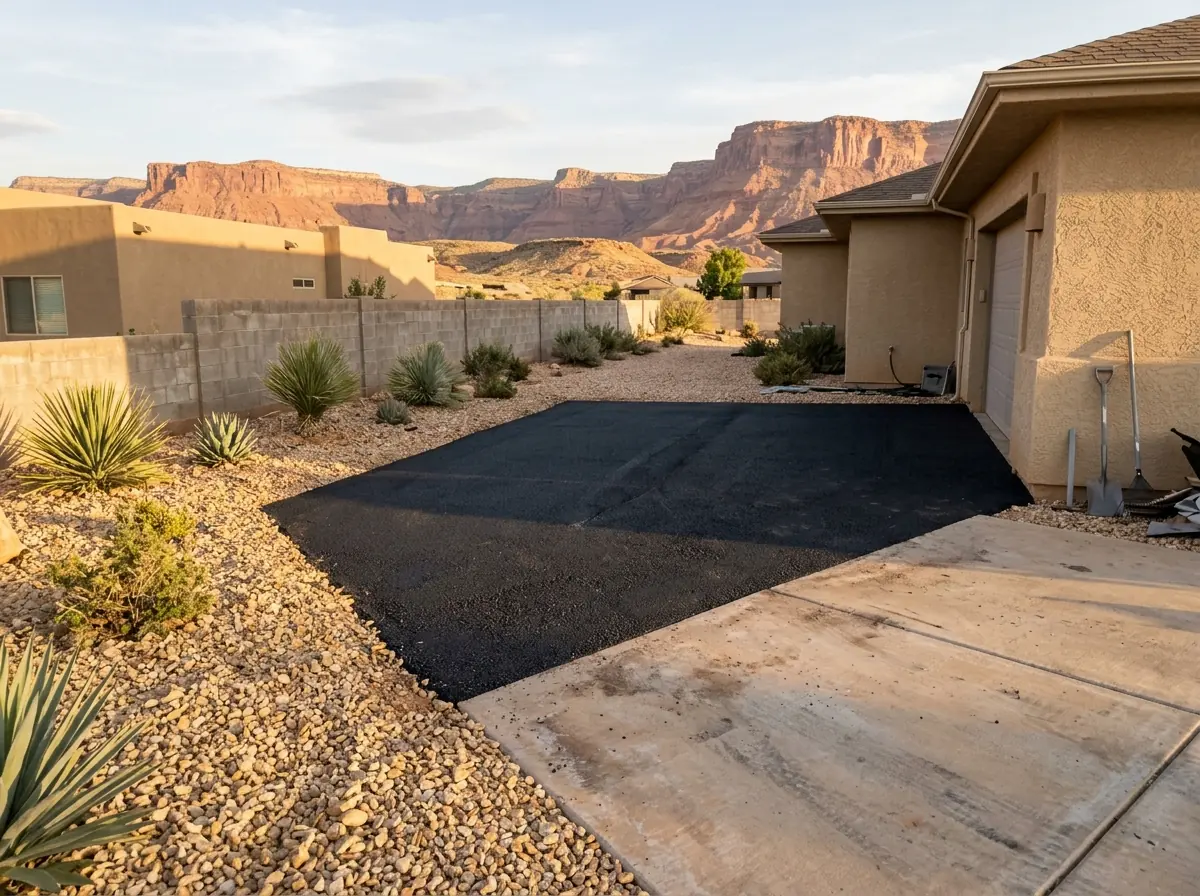
Parking pads and turnarounds
A pad off one side of the drive gives you a spot to park without blocking the garage, and a turnaround saves backing a long way out to the street. Placement is the question here. St. George code allows parking in the front setback only on an approved paved surface, so a paved pad there meets the rule; gravel driveway paving explains where gravel is still allowed. If you have an HOA, check its driveway rules first (see the homepage).
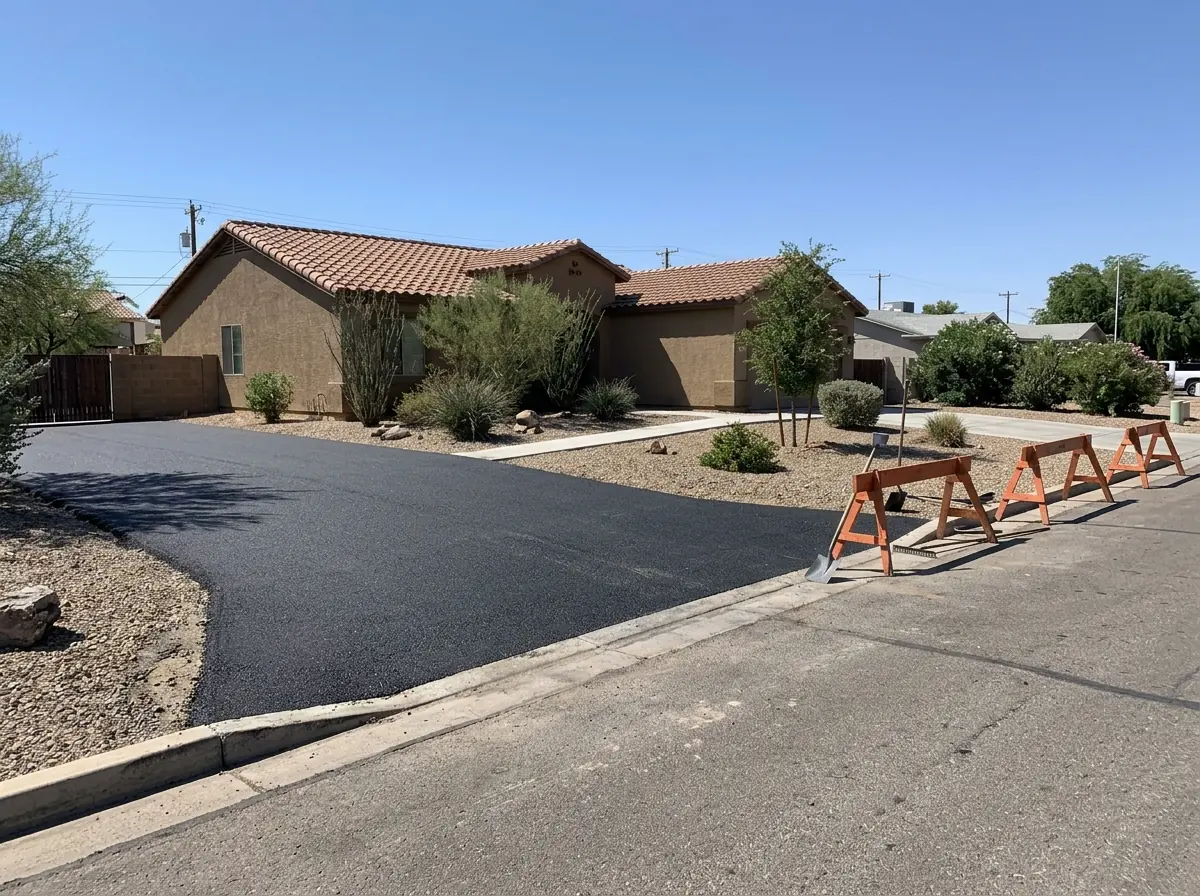
Widened aprons at the street
The apron is the section between the drive and the street. Widening it lets a wider drive or a trailer turn in without running over the curb or landscaping. Cost guides note that an extension may need excavation, a drainage fix and a new paved apron where it meets the public street. Because the apron sits in the city's street area, this is the part of an extension most likely to need a city permit (below).
Paths to side gates and sheds
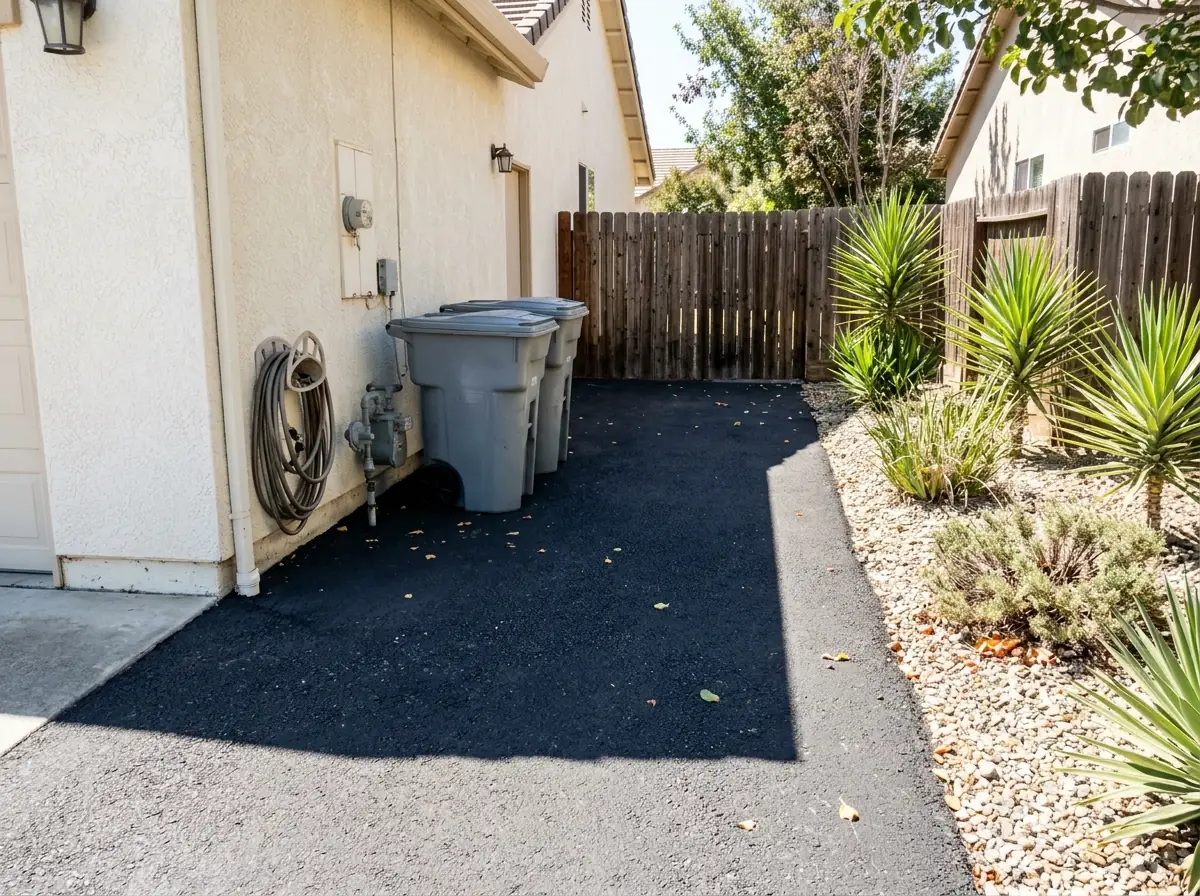
A narrow paved path to a side gate, trash cans or a shed keeps gravel and dust out of the garage. A strip this small can hit a contractor's minimum charge before the square-foot price matters (asphalt driveway paving lists typical minimums), so it is worth pricing a path together with a widening or a pad. A path wide enough for a trailer or motorhome is really an RV pad and needs a heavier build.
Why St. George homeowners and property managers call St. George Asphalt Co.
- The estimate costs you nothing and commits you to nothing
- Ask for thickness, base depth and tear-out on the written bid
- Your job goes to one paving contractor, never a lead auction
- Property owners pay nothing for the introduction
St. George Rules for Driveway Extensions
Street work permit
City code makes it unlawful to dig in any street, alley or other public place without a permit from the public works encroachment officer. The permit holder must give utility companies at least 24 hours' notice, post a surety bond of at least $10,000 plus a performance bond for 100% of the cost of the work, and set barricades to MUTCD standards. Permits default to 90 days. No St. George code section found speaks to driveway approaches or curb cuts by name, so call Public Works at 435-627-4055 before an apron is widened and ask what applies.Minimum driveway widths
A two-way drive serving a single-family home straight off the street must be at least 12 feet wide. If the drive has to pass another building, the minimum is 16 feet with 2 feet clear on each side, or 18 feet where walls or trees crowd one or both sides.Who pulls the permit
Ask whether the bid names who applies for any city permit and who carries the bonds.RV parking
A pad meant for a motorhome or trailer has its own city parking rules, listed on the RV pad page linked below.
What to Ask Before an Extension Is Paved
Edge prep
Will the old edge be saw-cut back to sound asphalt, or will new mix just be feathered against it?Thickness
Does the bid list asphalt thickness after compaction for the new area, and does it match the existing drive?Drainage
Where will water from the new paved area run, and does it head toward the house or a neighbor?Sealing
New and old asphalt look different for a while; ask when the whole drive can be sealed together (sealcoating has the timing).
See RV pad paving when the extension has to carry a motorhome, boat or trailer.