
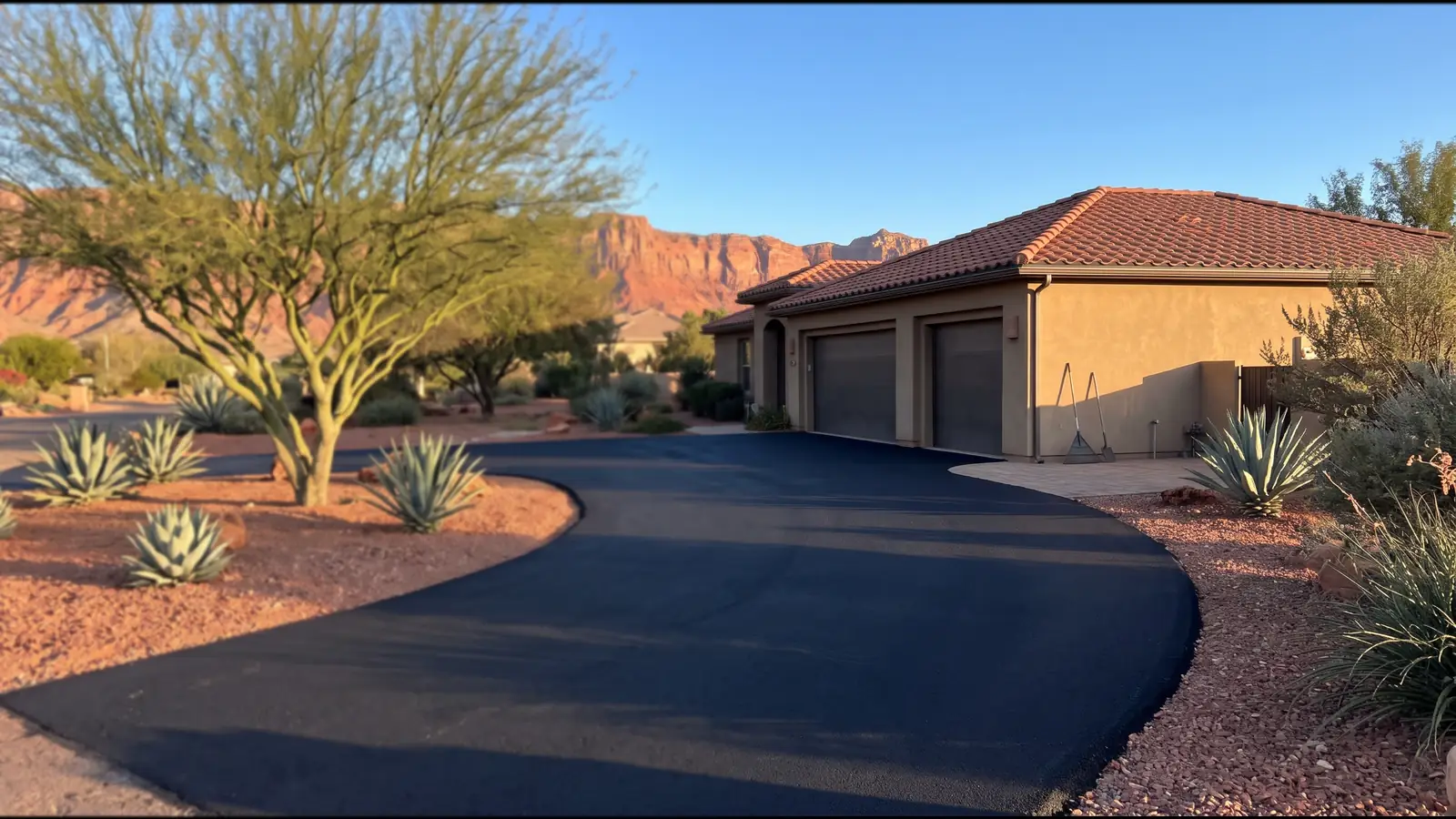
Asphalt Millings Driveway Options for Desert Lots
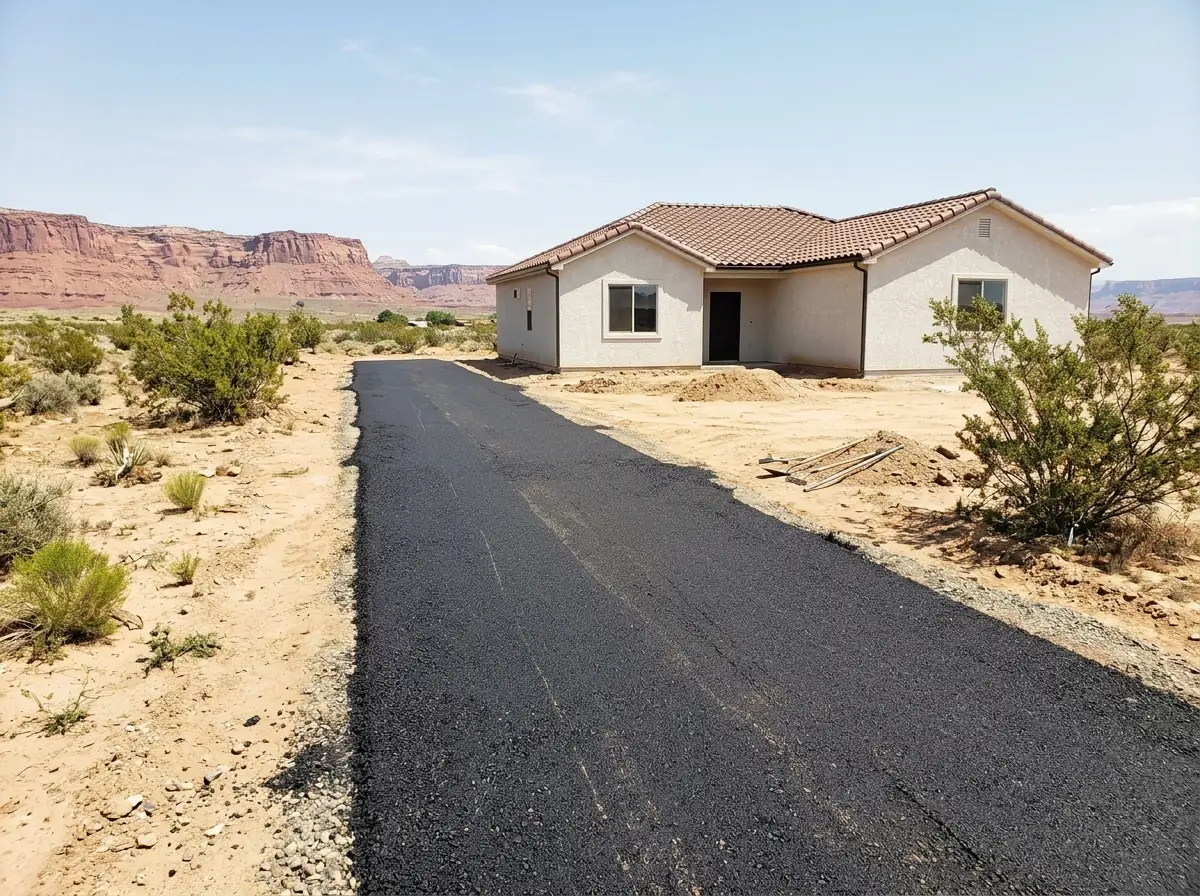
Millings over bare dirt
Millings last when they sit on a solid base and get compacted hard. Cost guides are direct about it: a good road base, proper compaction and a sealer are what turn crushed asphalt into a low-maintenance surface. On a raw lot, the dirt has to be graded so water runs off the driveway before the first truck dumps its load. St. George's expansive and gypsum-bearing soils make that groundwork a bigger deal than in most towns; grading and base preparation covers what a crew looks for before building on them.
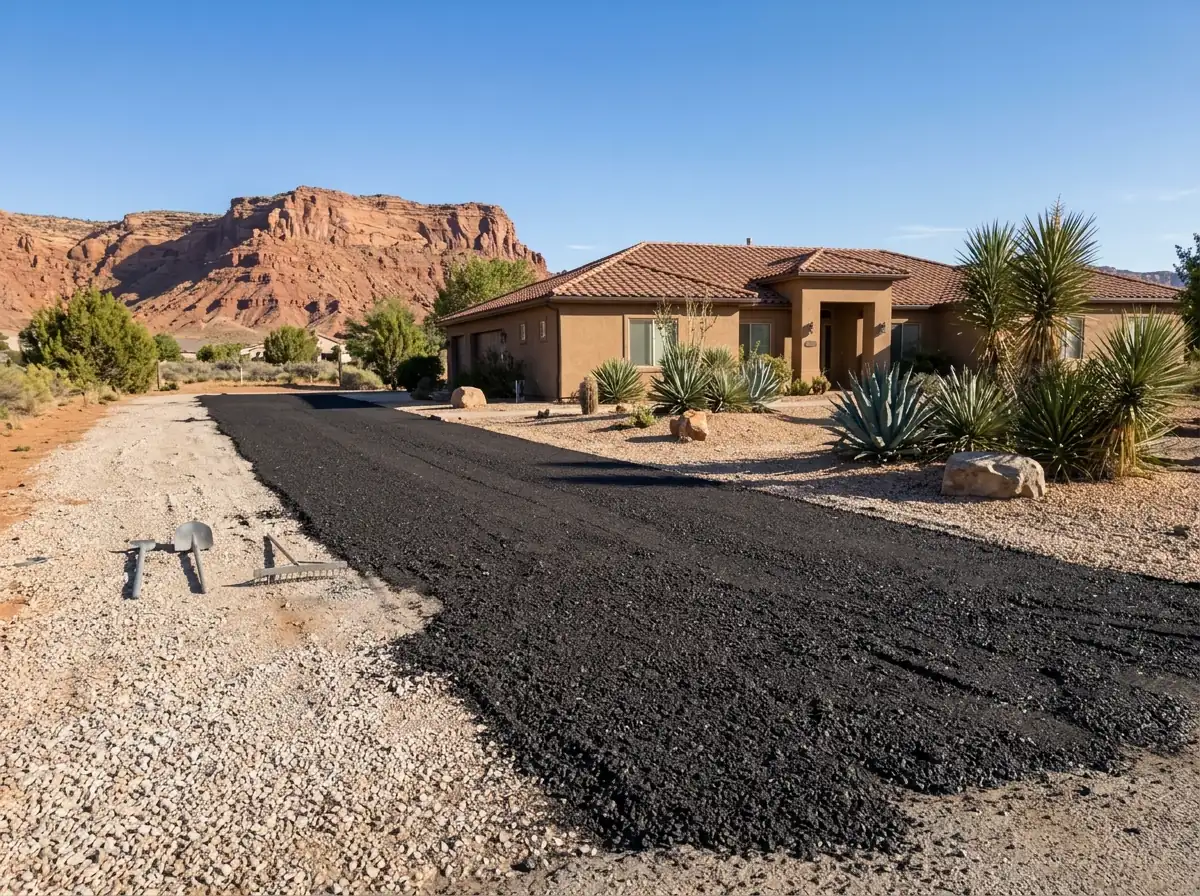
Millings over an existing gravel drive
An old gravel drive is often the easiest starting point, since the stone already there may work as part of the base. Ask the contractor whether it is deep and firm enough, or whether more road base goes in first. The millings then go down at least 4 inches thick for cars. The trade-off over loose gravel is less dust and mud tracked toward the garage. If you'd rather have a full hot-mix surface on top of that gravel, the gravel driveway paving page explains that job.
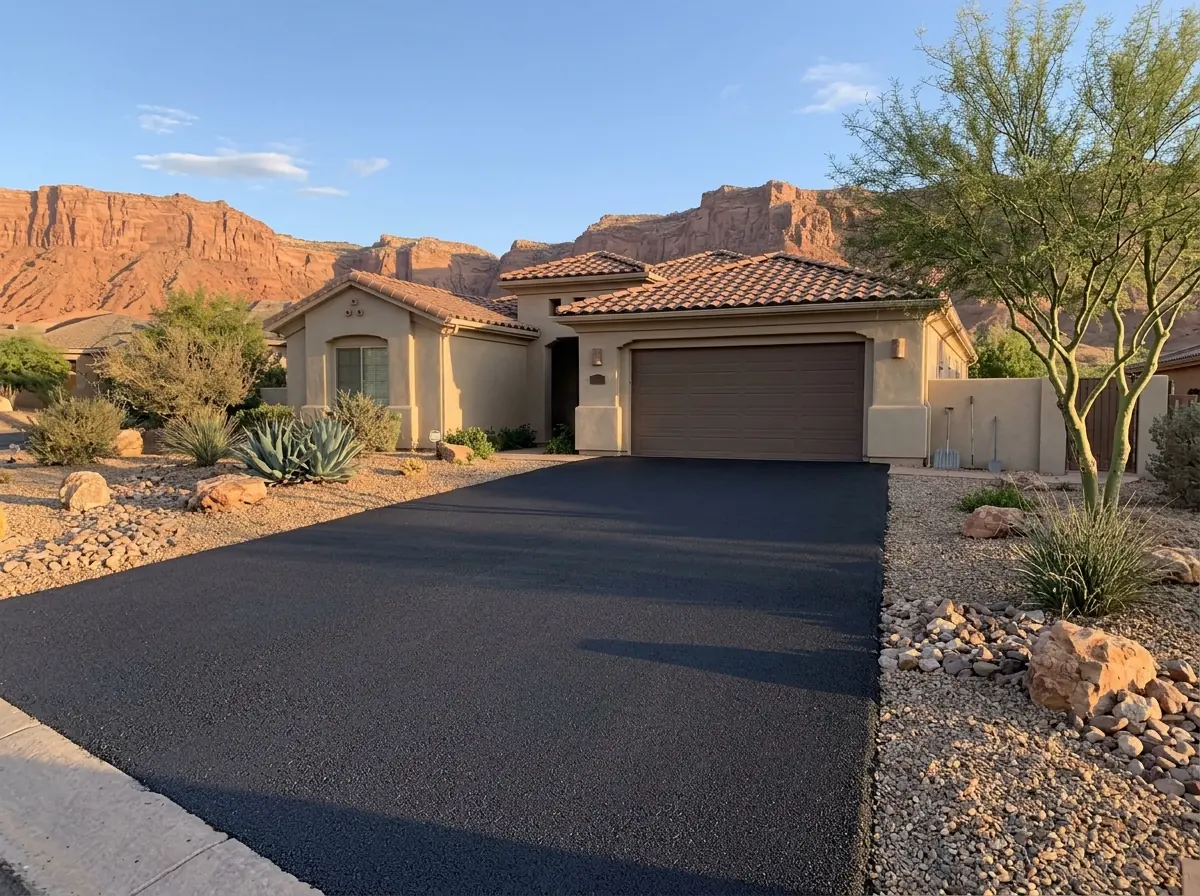
Millings with a sealed top
Bare millings can work loose over the years. One guide prices re-compaction at $1 to $5 per sq ft when that happens. A sealer applied after rolling holds the surface together, and HomeGuide recommends sealing millings rather than leaving them bare. It also stops particles of old binder from leaching into the ground. Angi puts the recoat cycle at every two to five years. Sealer types, prices and first-seal timing are on the sealcoating page.
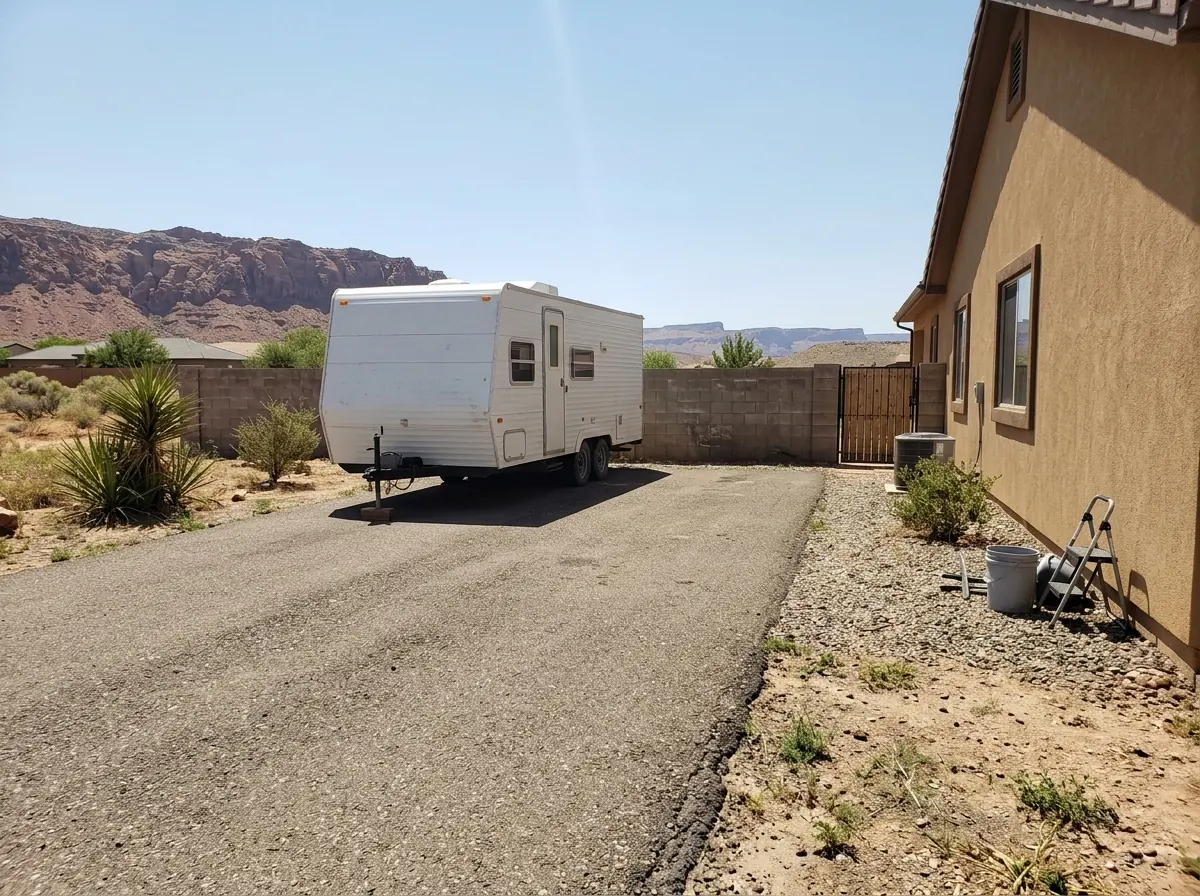
Millings for RV and equipment parking
Heavy loads need a thicker layer: 5 inches or more where heavy trucks park, against 3 to 4 inches for light vehicles. That extra inch shows up in the tonnage. At about 60 sq ft per ton at 4 inches, a 12 by 40 foot trailer pad takes roughly 8 tons; at 5 inches it is closer to 10. For a motorhome pad in hot-mix asphalt instead, see RV pad paving.
Why St. George homeowners and property managers call St. George Asphalt Co.
- The estimate costs you nothing and commits you to nothing
- Ask for thickness, base depth and tear-out on the written bid
- Your job goes to one paving contractor, never a lead auction
- Property owners pay nothing for the introduction
What Sets the Price of a Millings Driveway
Size and depth
Tonnage follows both. A 20 by 20 foot two-car drive takes about 6 to 8 tons, and HomeGuide's installed range for that size is $800 to $2,000.Millings grade
Finer, better-screened millings cost more and pack into a smoother surface. Double-crushed millings are the grade cost guides point to for driveways.Delivery
Around $30 to $100 per truckload, with one load carrying 8 to 20 tons. A contractor's bid often includes it; ask.Grading
When prep isn't bundled into the labor price, one guide says grading can add $7 to $10 per sq ft. Get it written as its own line.Sealing
Usually a separate price. Ask whether the first seal is in the quote or comes later.
How a Millings Driveway Is Built
- STEP01
Measure and set the depth
The contractor measures the area and picks a depth for what will park there, which sets the tonnage. Ask what grade of millings the bid assumes.
- STEP02
Clear and grade
Old asphalt, weeds and debris come out, and the ground is graded to shed water. This is also when soft spots in the base should be found and fixed.
- STEP03
Spread and roll
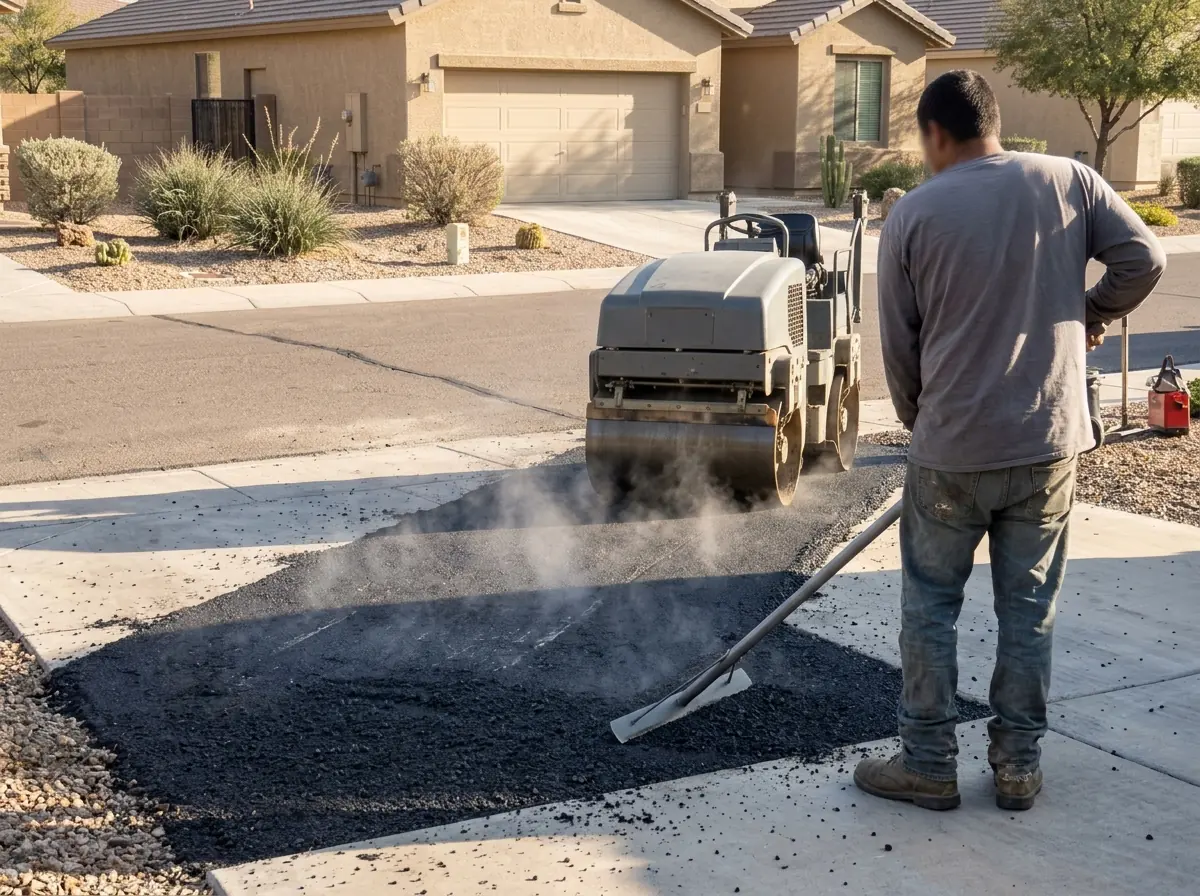
The millings are spread to depth and compacted with a roller so the pieces bind into a hard, level surface. Hand-spread millings that never see a roller tend to stay soft, which is why this is not a rake-and-go job.
- STEP04
Stay off while it binds
Guides give 24 to 48 hours to harden and suggest up to a week before regular driving. Angi notes that sun helps millings bind but hotter weather can stretch the curing time, so a July job here may need the longer wait. The St. George heat figures are on the asphalt driveway paving page.
See chip seal driveways for the other low-cost surface, built from stone and liquid asphalt instead of recycled pavement.